

Disability & community support
Person-centered support that grows with each individual
Trauma-informed residential and community support for youths and adults with cognitive disabilities, complex health, and mental health needs.
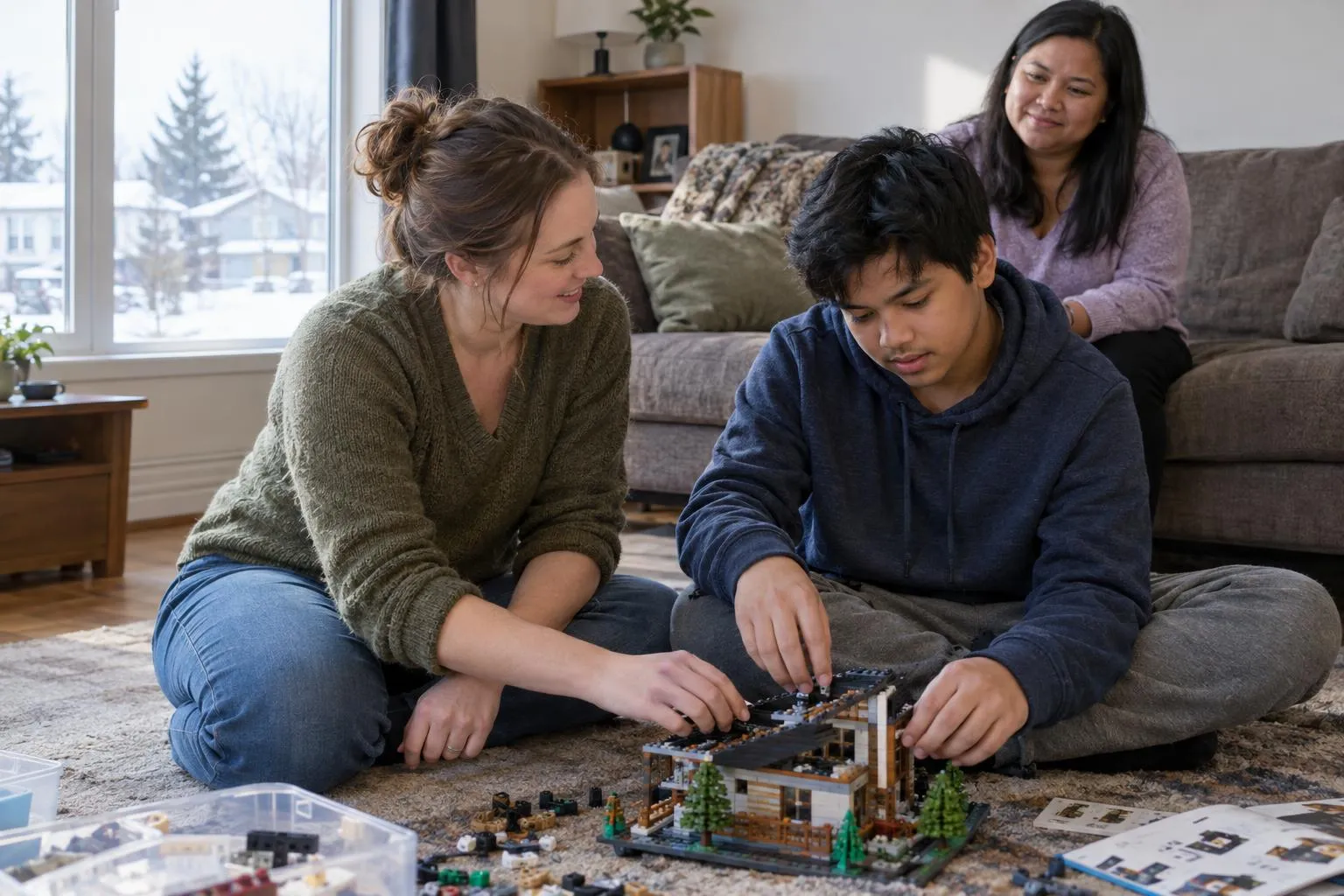
Who we support
- Youths and adults with cognitive disabilities
- People with complex health, behavioural, or mental health needs
- Families looking for support at home, in the community, or a staffed home
- Foster families, agencies, and case managers supporting a young person
-
Trauma-informed
Safety, trust, and respect come first. We meet people where they are and move at their pace.
-
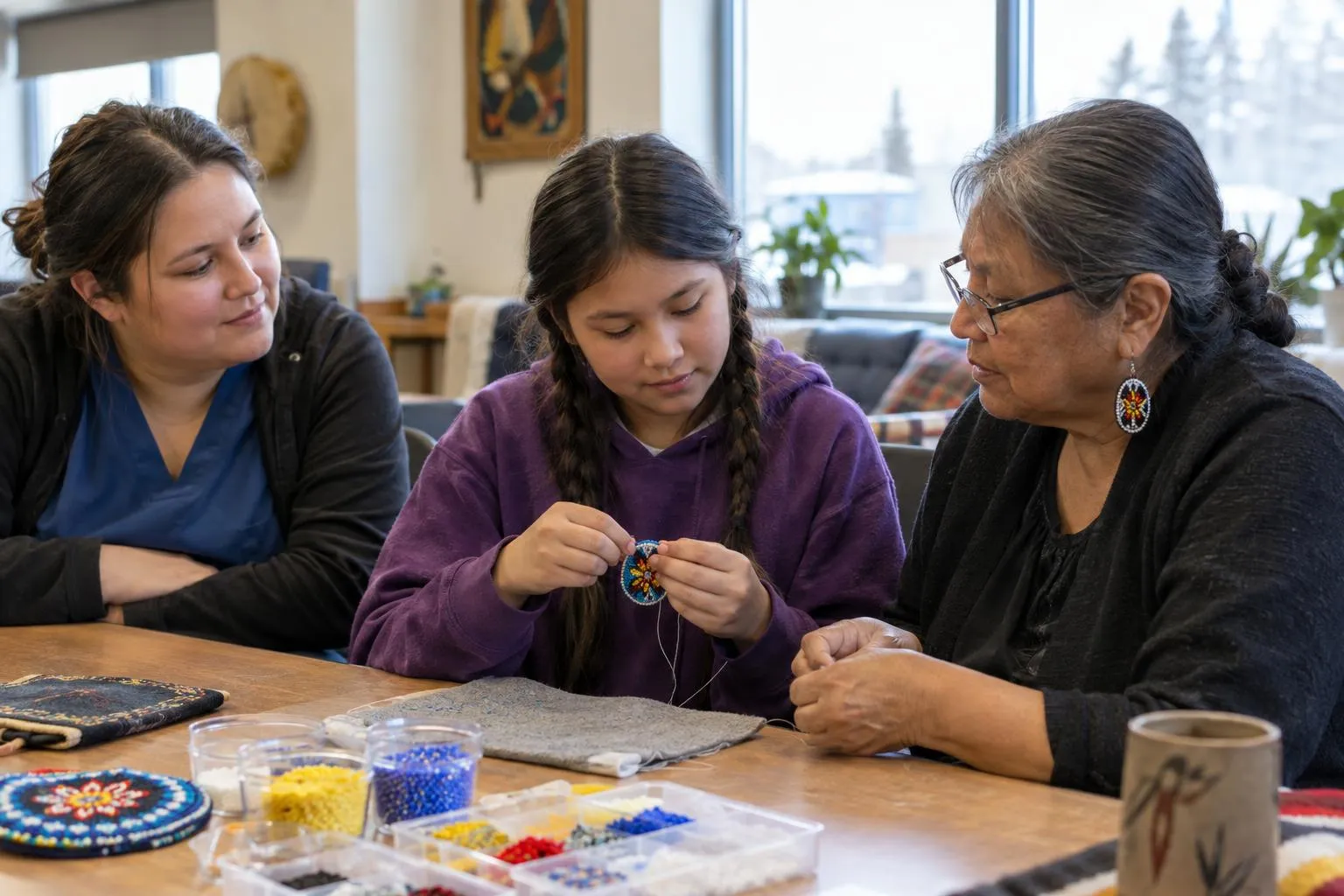
Culturally grounded
We work with families, communities, and Indigenous elders to keep culture and connection at the centre.
-
Support that adapts
One coordinated plan that changes as needs change — and help applying for PDD, FSCD, and more.
Our disability & community support services
7 services — jump to one, or scroll to compare them all.
01 / 07
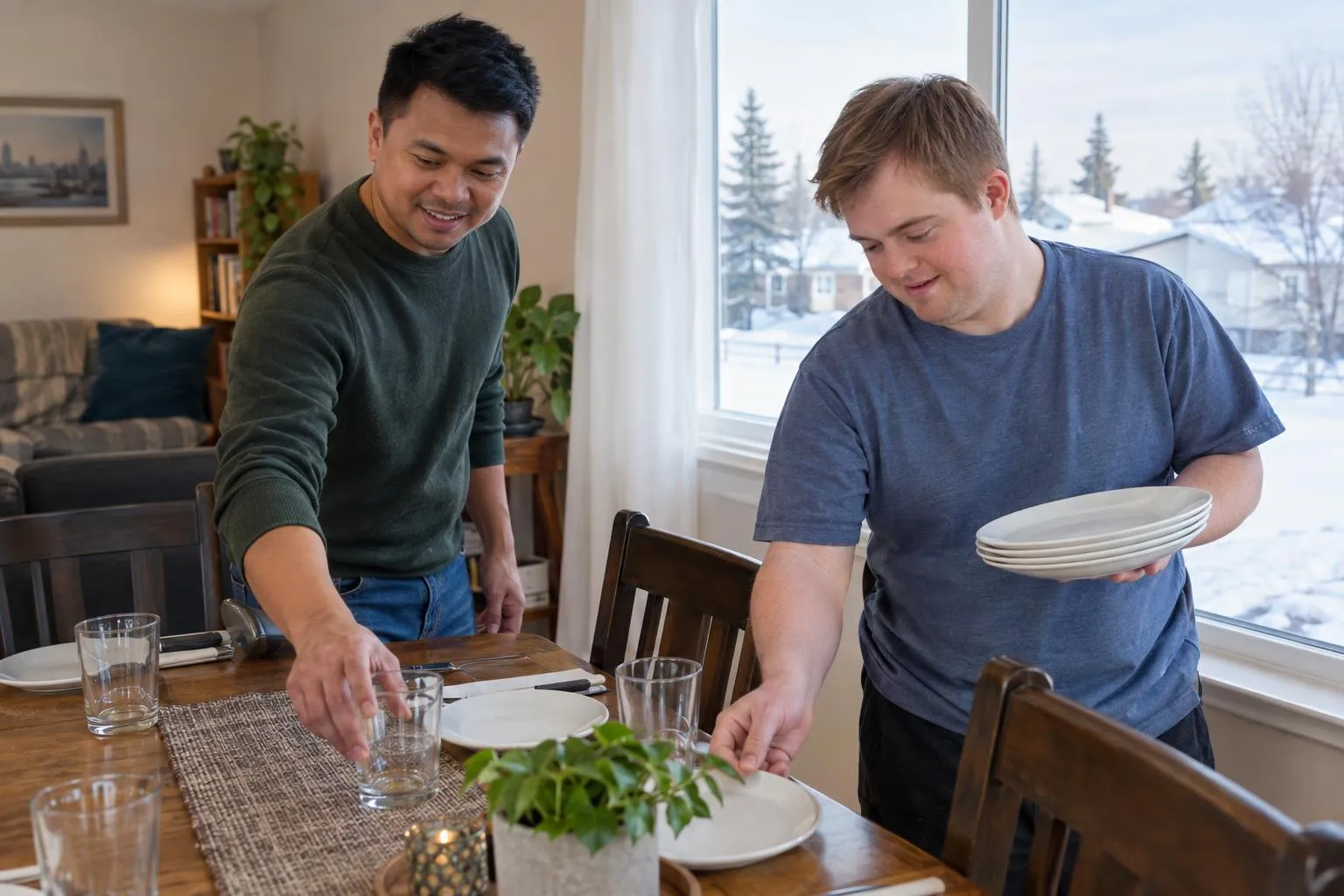
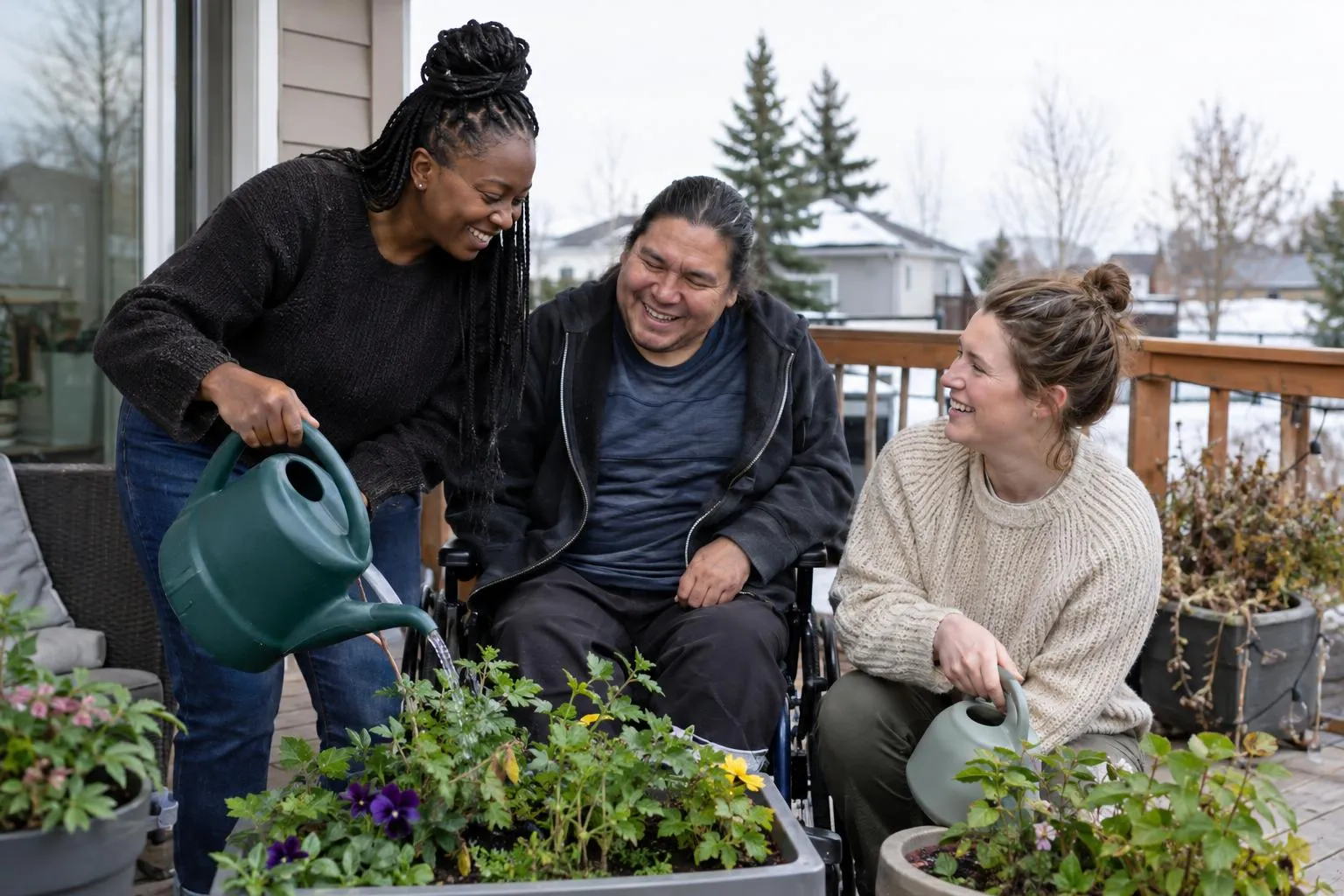
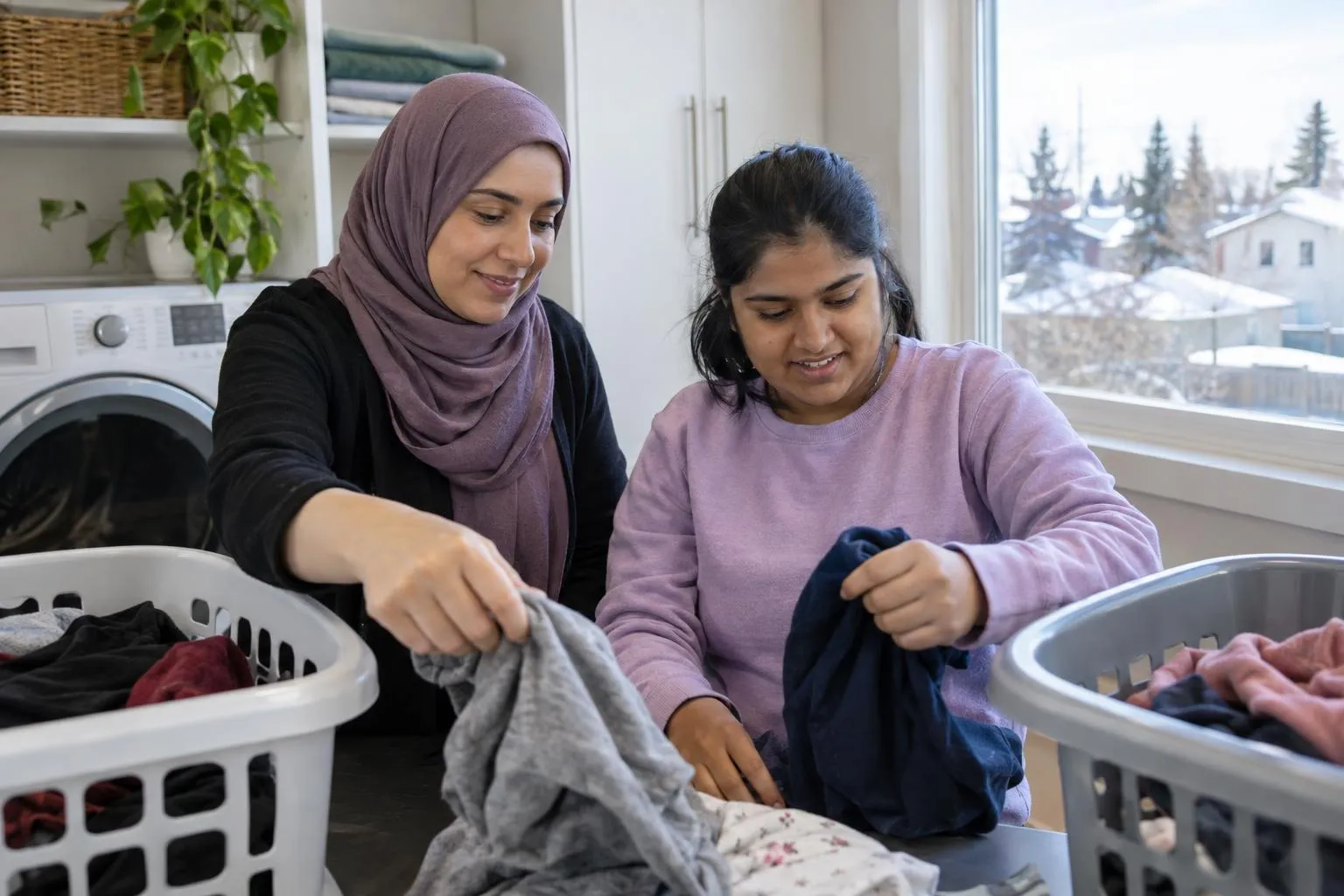
Staffed Residential Support
Round-the-clock staffed homes for individuals with complex support needs.
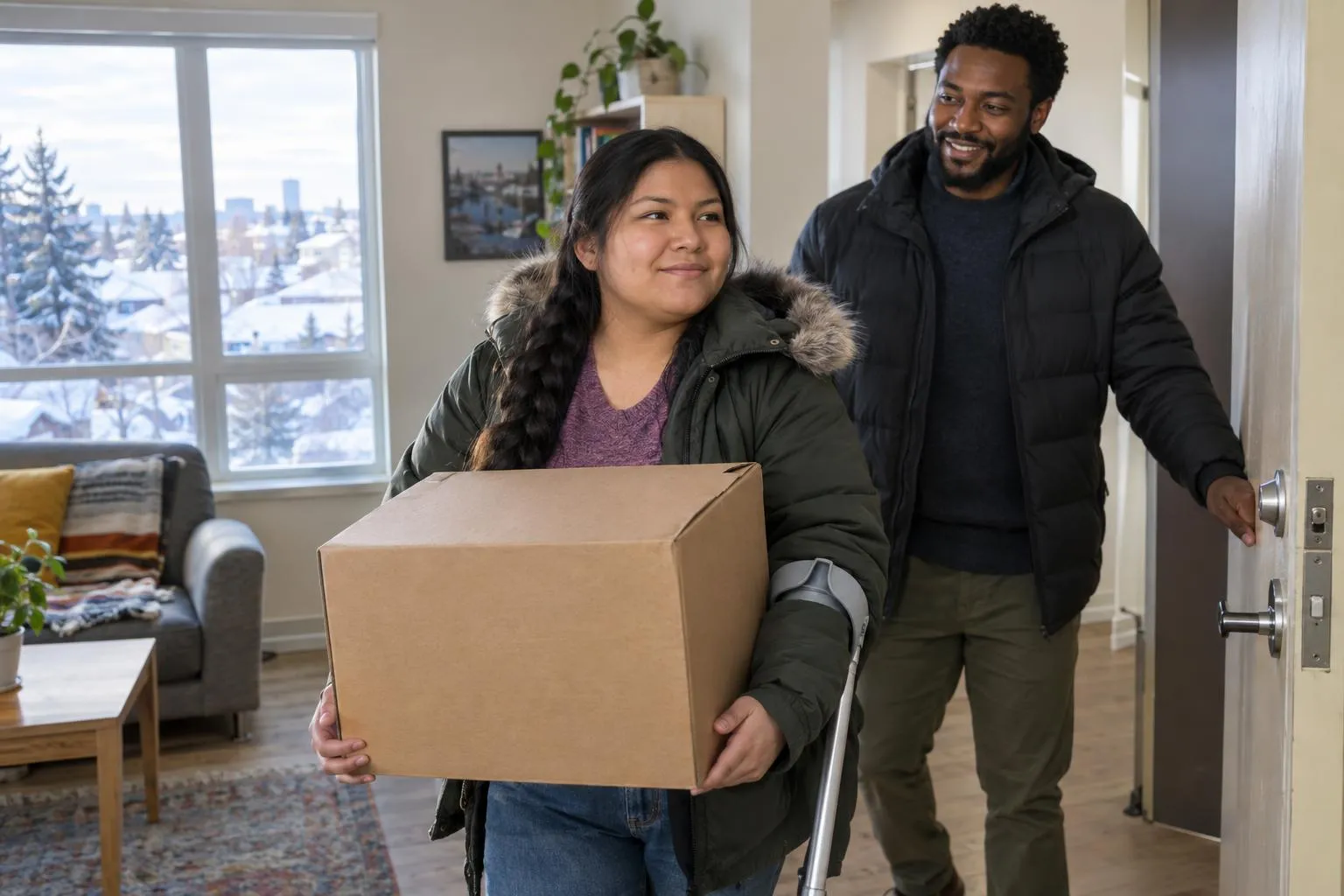
Some people need support around the clock to live safely. That shouldn't mean giving up a real home, a daily routine of their own, or a place in the community. Our staffed residential homes are built around the people who live in them.
What's included
- 24/7 staffed residential settings
- Individualized support plans
- Life-skills and community participation
- Health and behavioural support
Funding that may help
02 / 07
Continuum of Care
Coordinated support that adapts as a person's needs change over time.
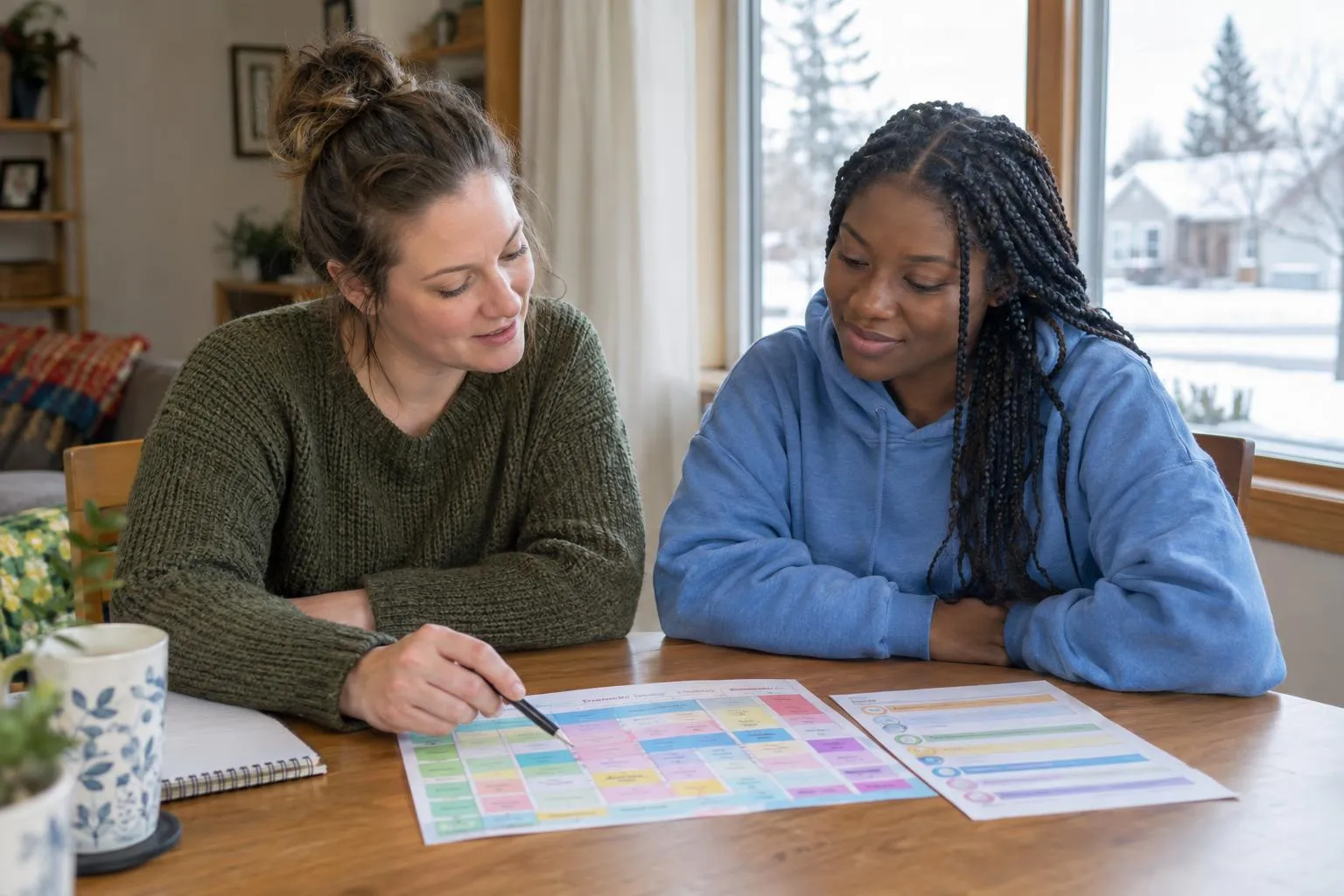
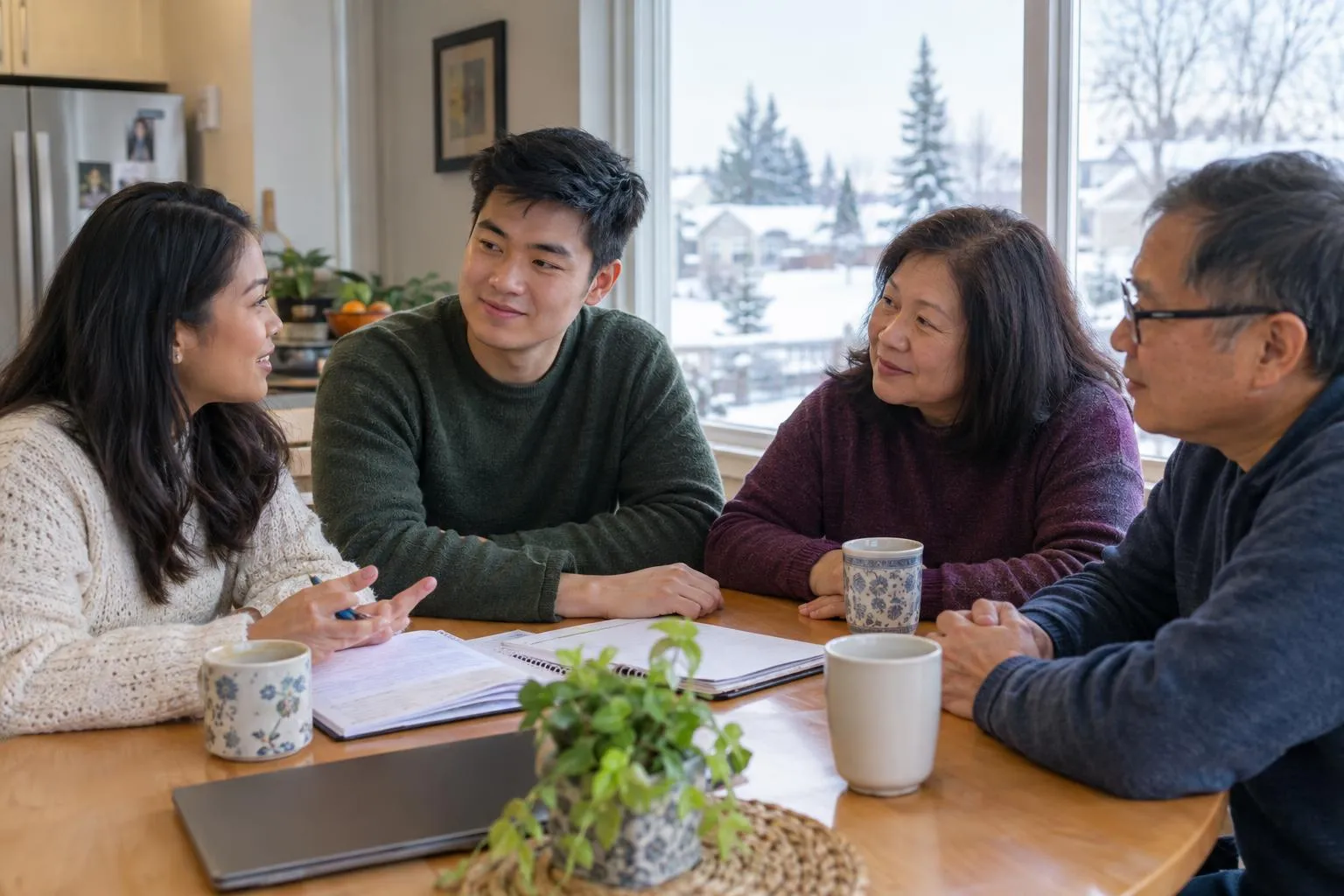
Needs change — our support changes with them. A continuum-of-care approach means one coordinated plan that adapts across life stages and levels of support, without the disruption of starting over each time.
What's included
- Coordinated, adaptable care planning
- Smooth transitions between service levels
- Long-term relationship with the care team
- Regular review and goal-setting
Funding that may help
03 / 07
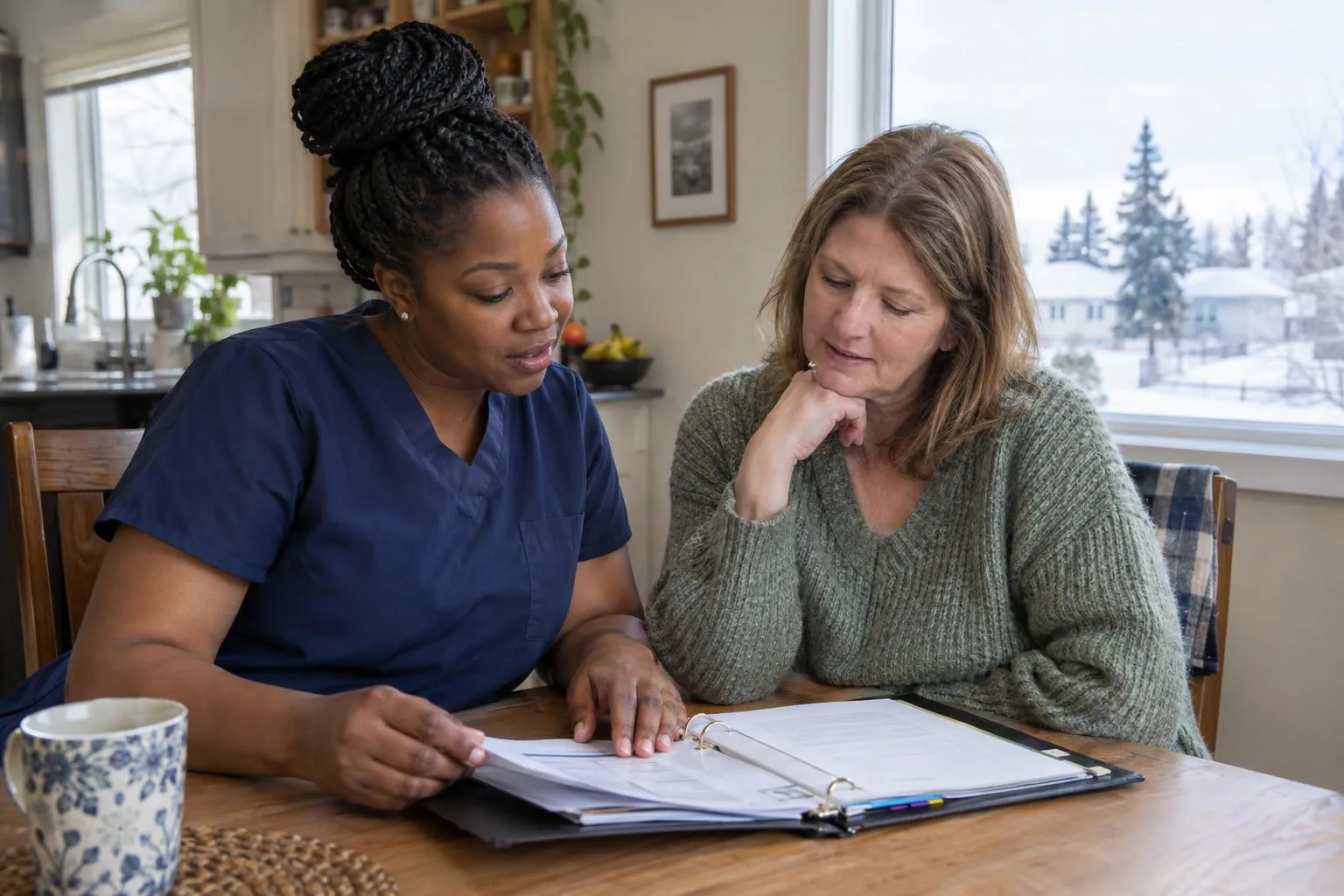
Complex Care Needs
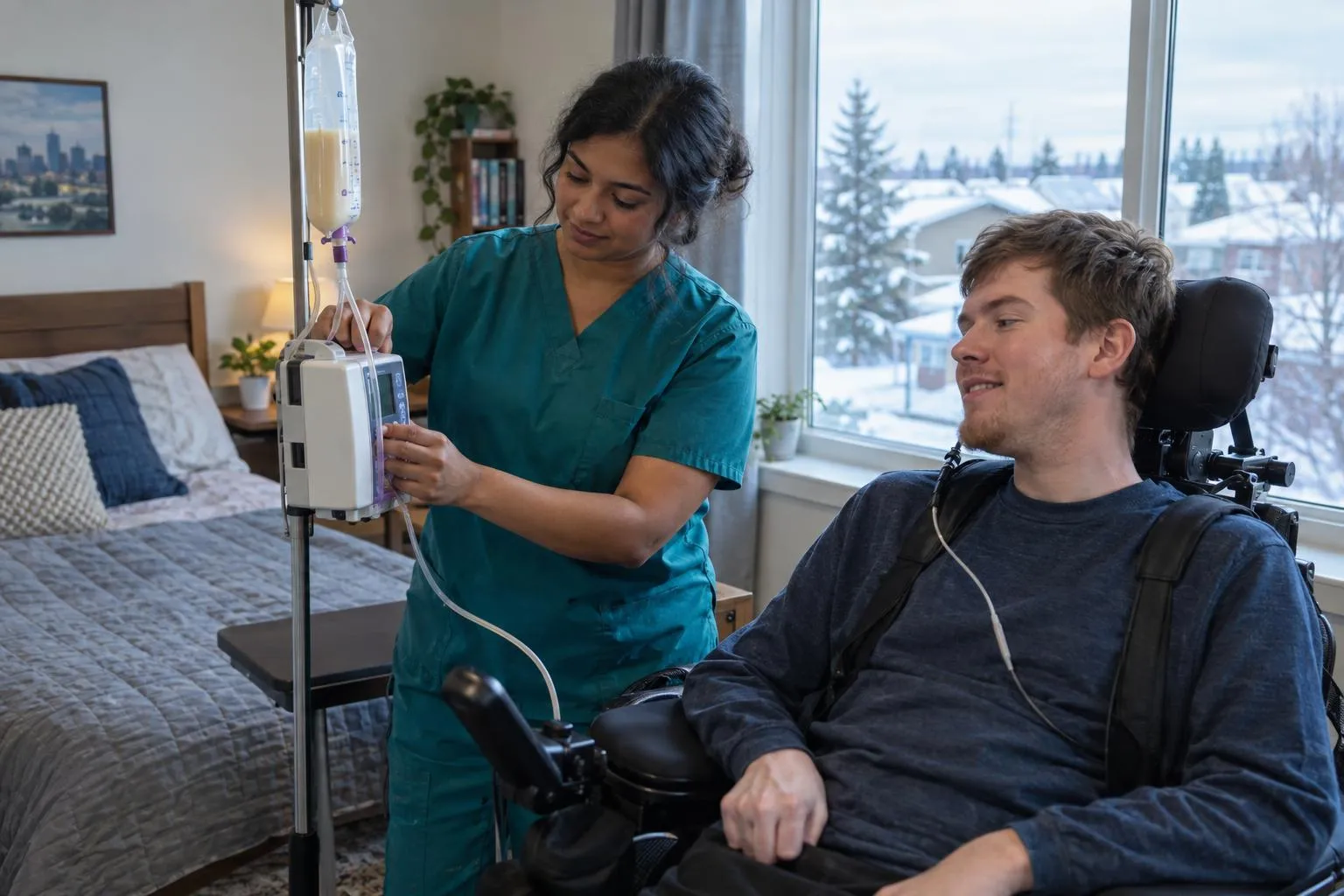
Nurse-led support for medically complex and high-acuity clients.
When someone's needs are medically complex, families often feel they have to become nurses, coordinators, and advocates all at once. We share that load — with clinical skill and genuine care for the whole person.
What's included
- Nurse-led clinical support
- Support for medically complex conditions
- Behavioural and mental-health support
- Close coordination with health providers
Funding that may help
04 / 07
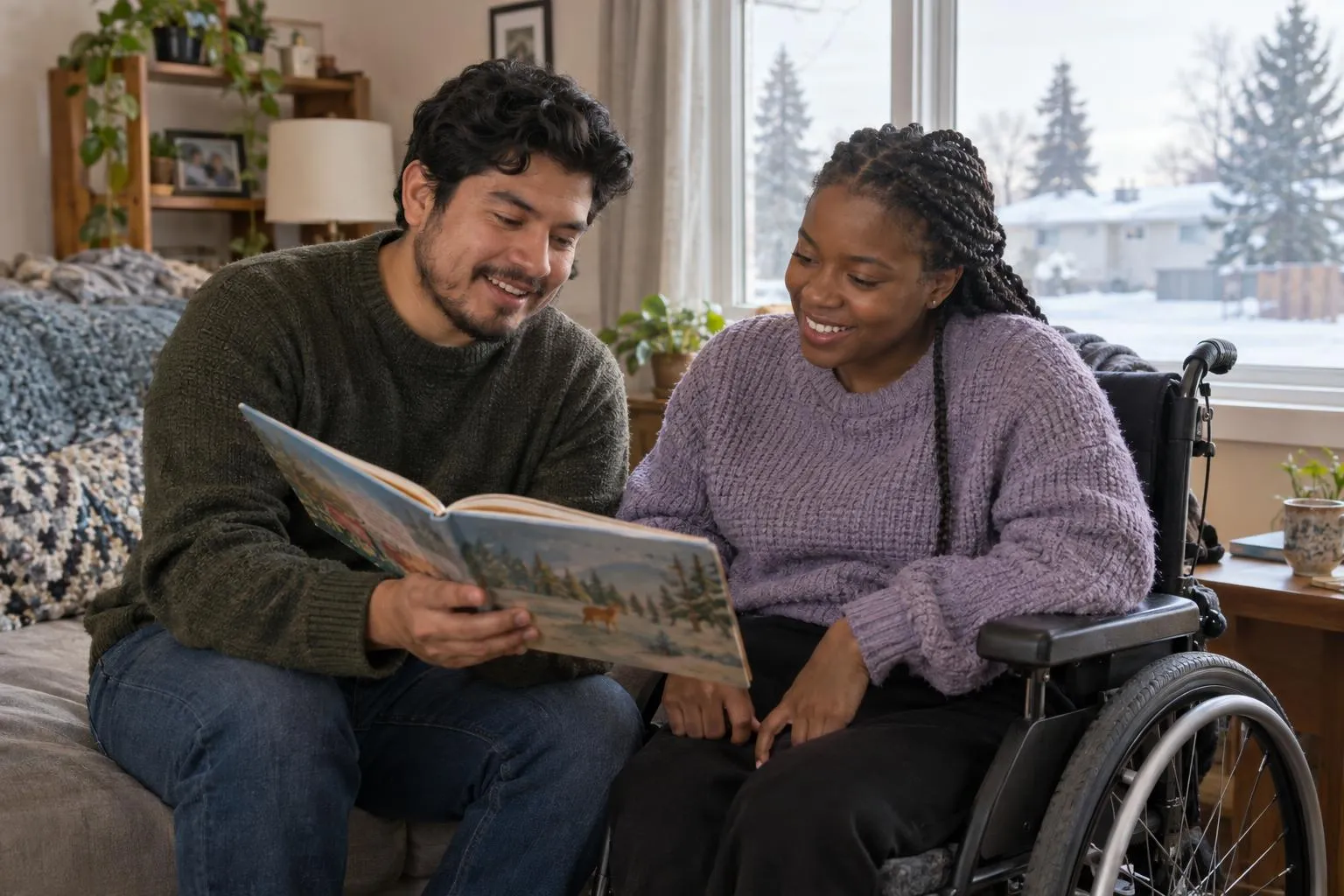
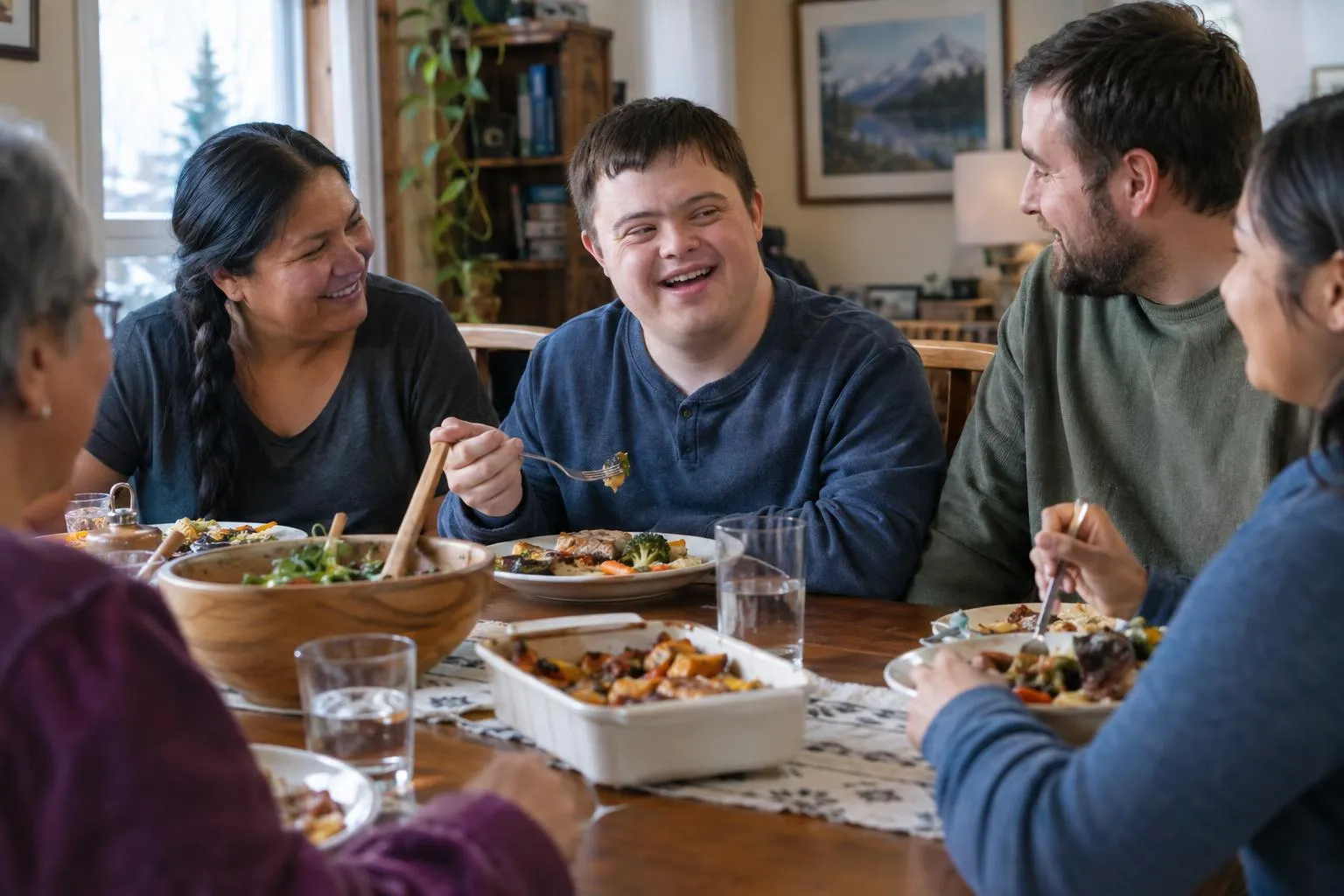
Shared Living Support
Matched shared-living arrangements in a supportive family or roommate setting.
Shared living pairs a person with a supportive household — a family or roommate setting where they can live with independence and belonging. We handle matching, onboarding, and ongoing support so the arrangement works for everyone.
What's included
- Thoughtful matching and placement
- Family-style or roommate living
- Ongoing support and monitoring
- Community connection and belonging
Funding that may help
05 / 07
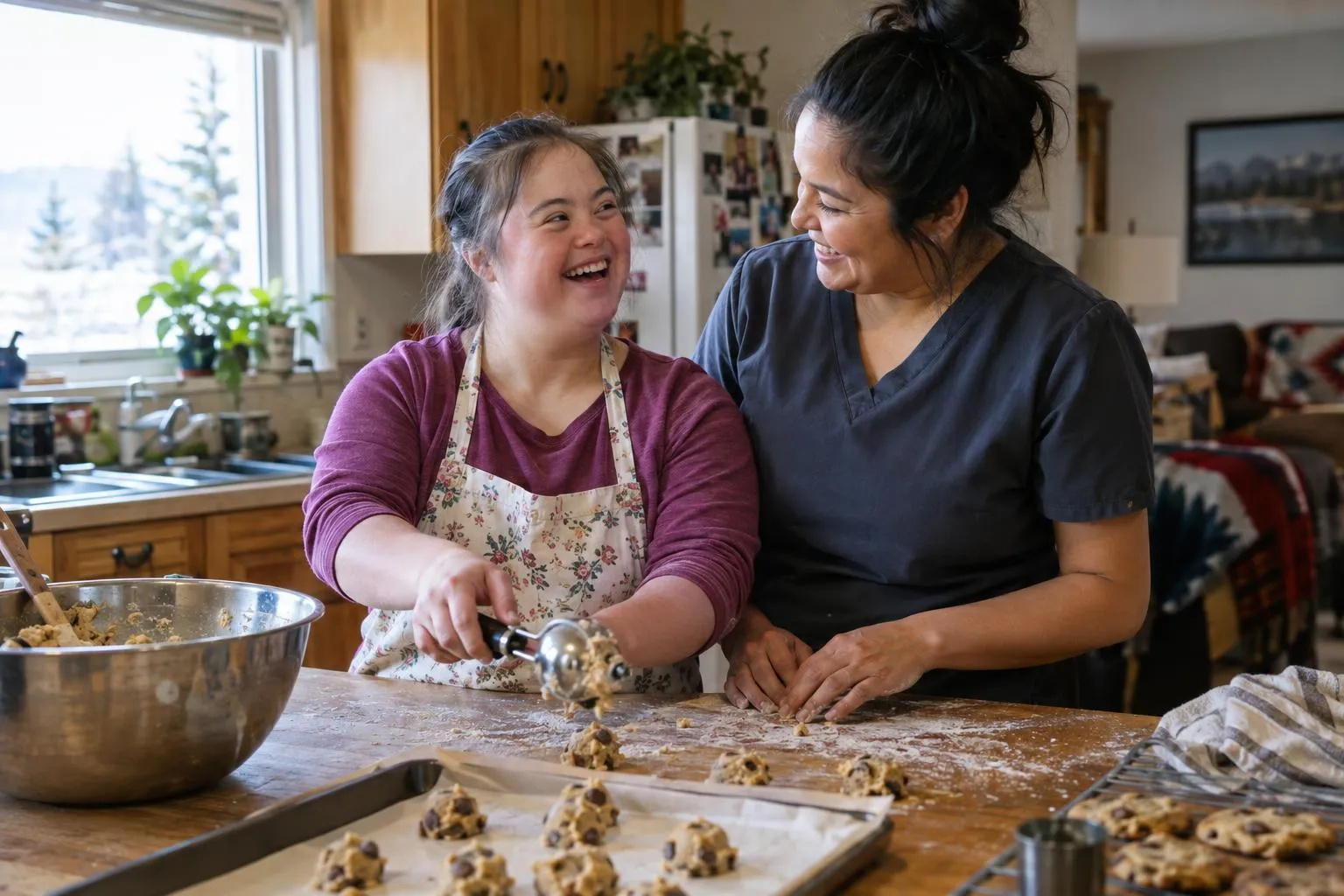
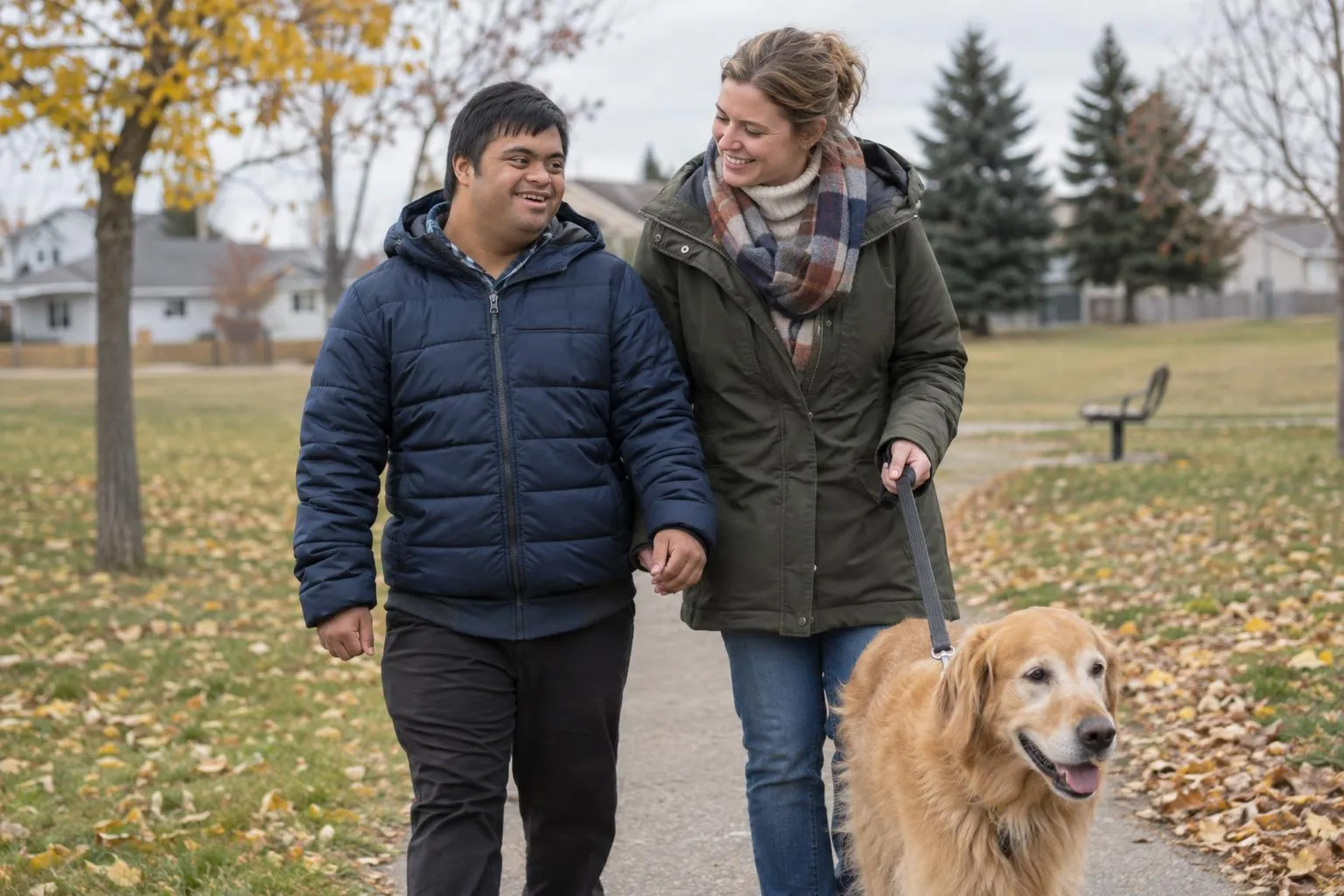
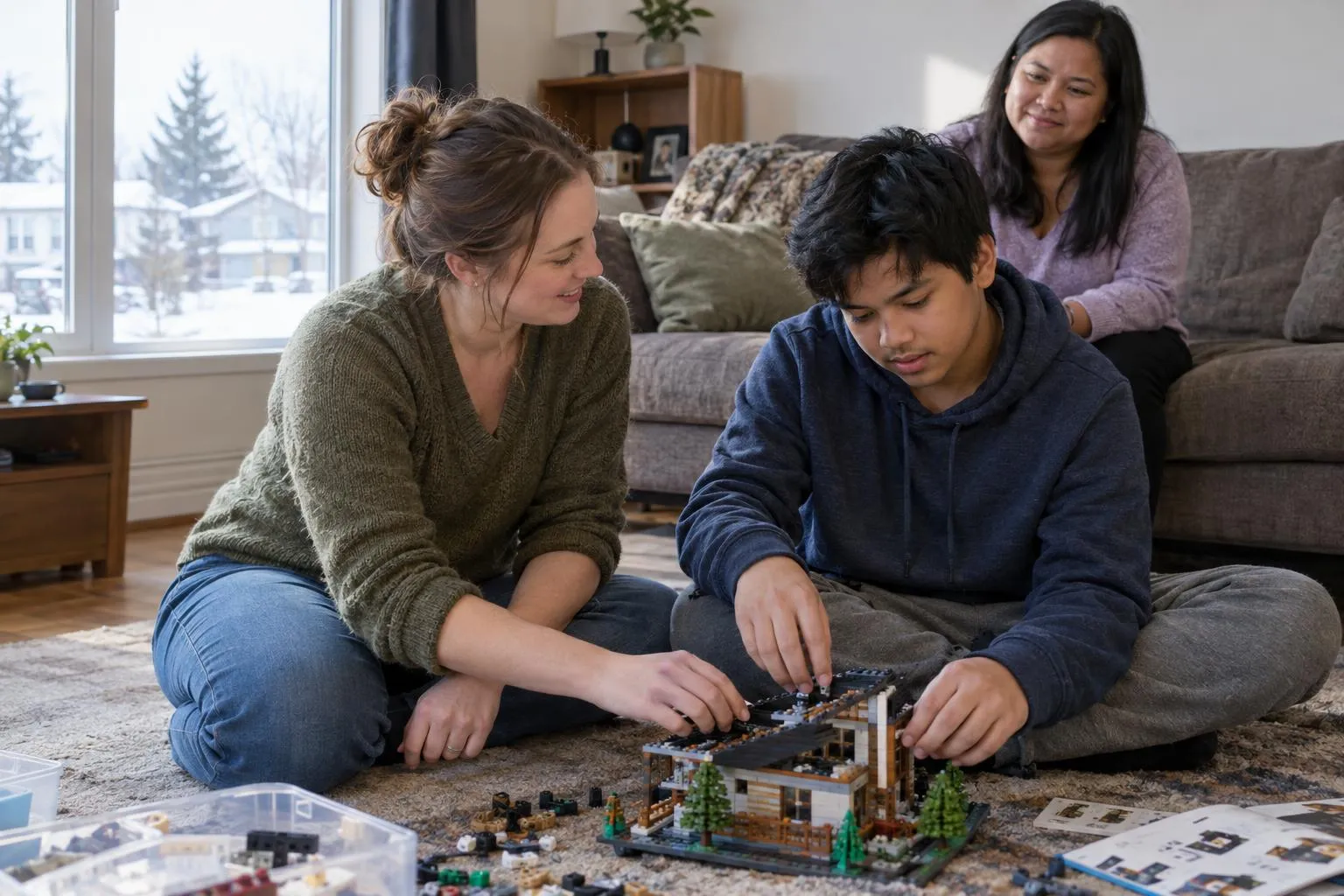
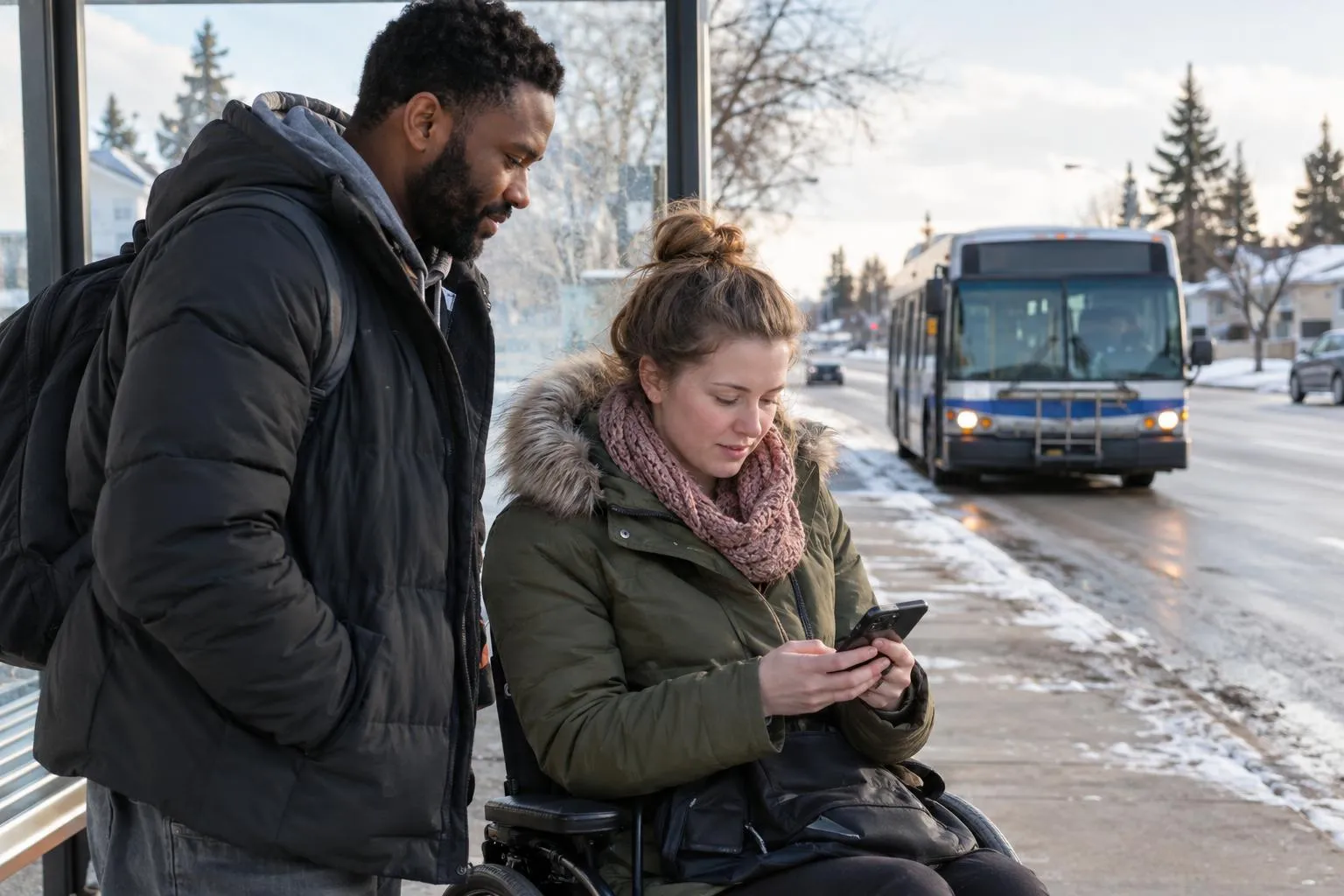
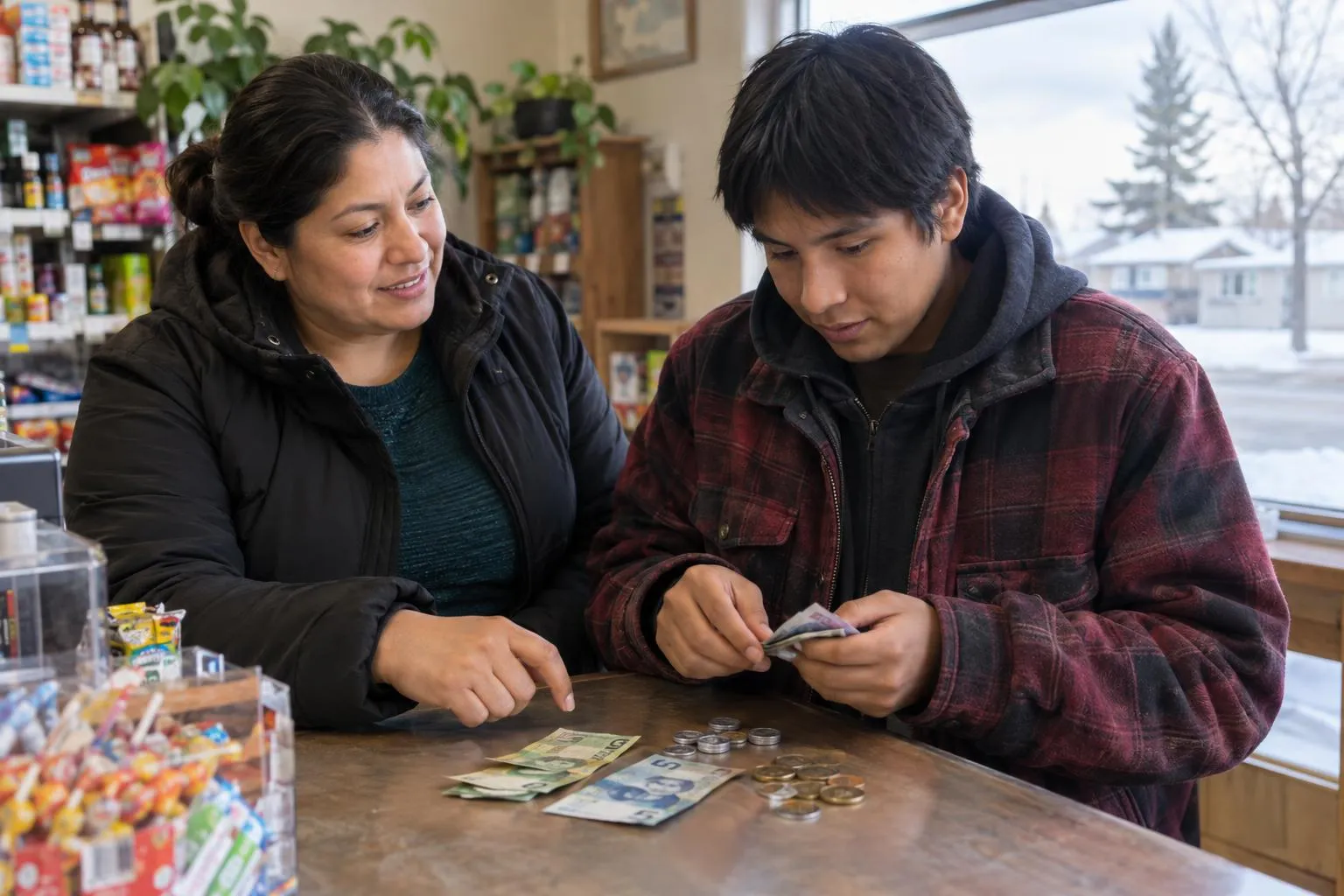
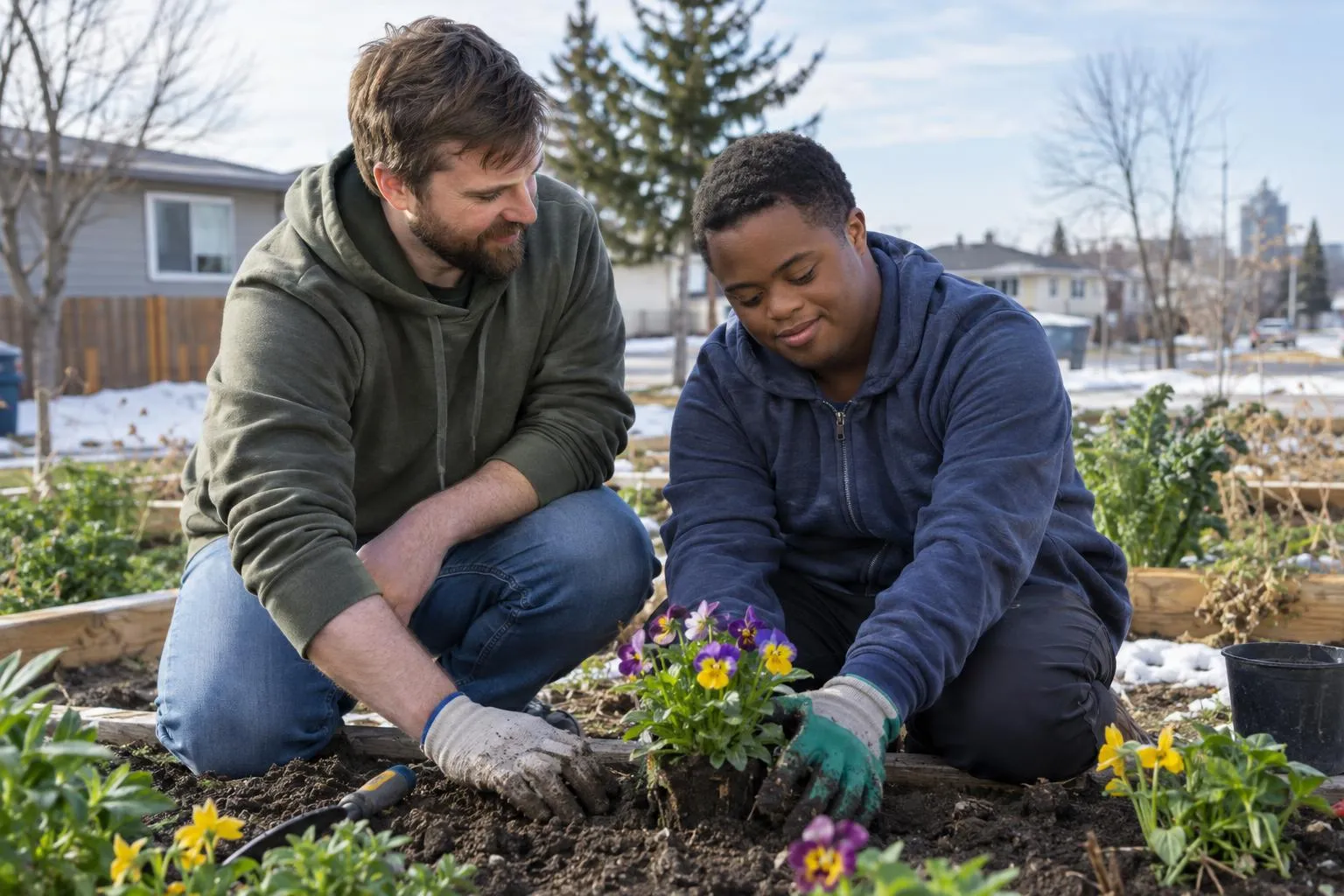
Home-Based Care Support
One-on-one support delivered in the person's own home and community.
Individualized support delivered where the person already lives. From daily living skills to getting out into the community, home-based care builds independence in familiar surroundings.
What's included
- One-on-one in-home support
- Daily living and life-skills building
- Community access and participation
- Flexible scheduling around the person
Funding that may help
06 / 07
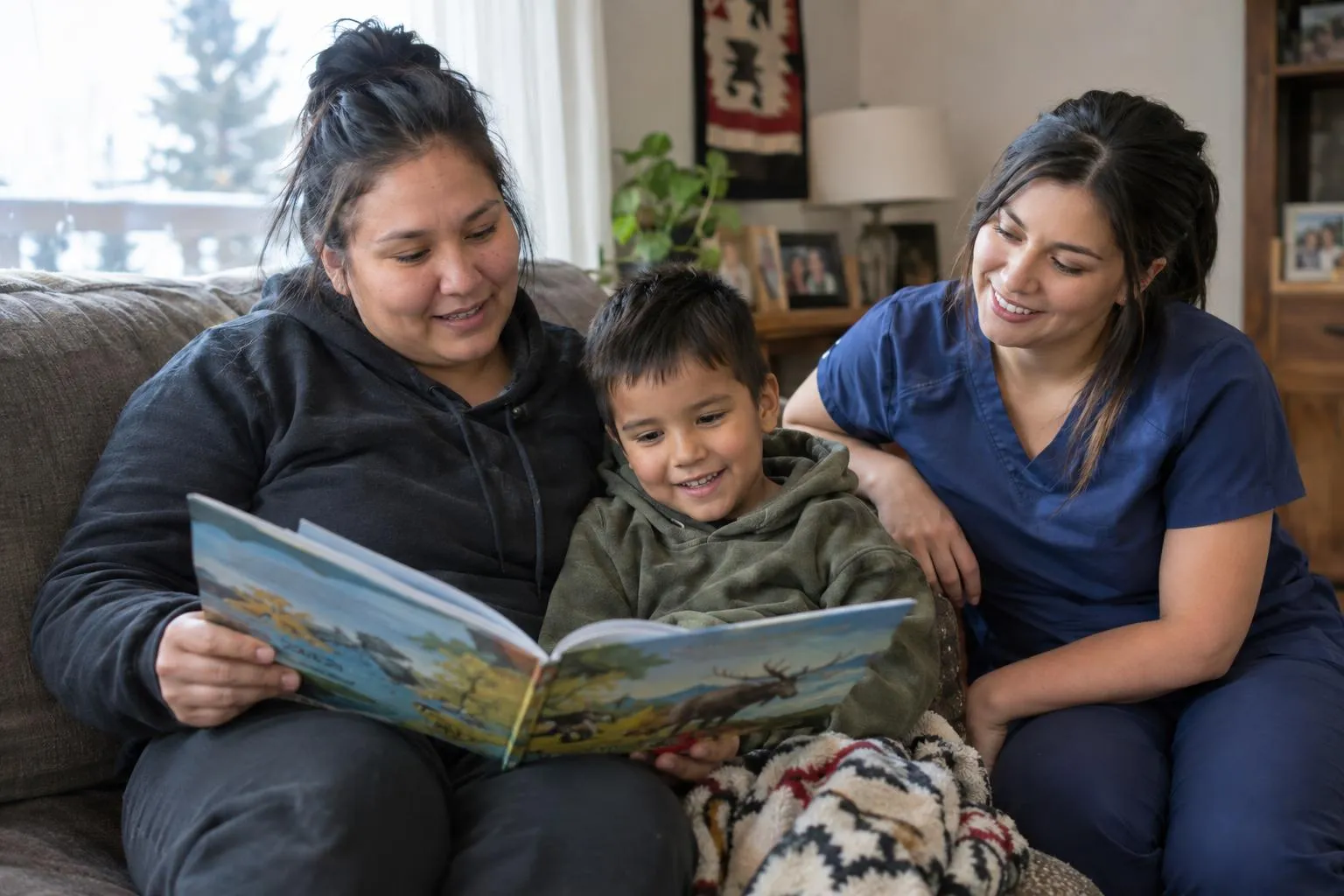
Foster Care Support
Wraparound support for foster placements and the caregivers who make them work.
Wraparound support for foster placements — for the young people in care and the families who open their homes. We work closely with families, agencies, and Indigenous elders to keep placements stable and culturally grounded.
What's included
- Placement and caregiver support
- Respite for foster families
- Coordination with agencies and elders
- Culturally grounded, trauma-informed care
Funding that may help

07 / 07
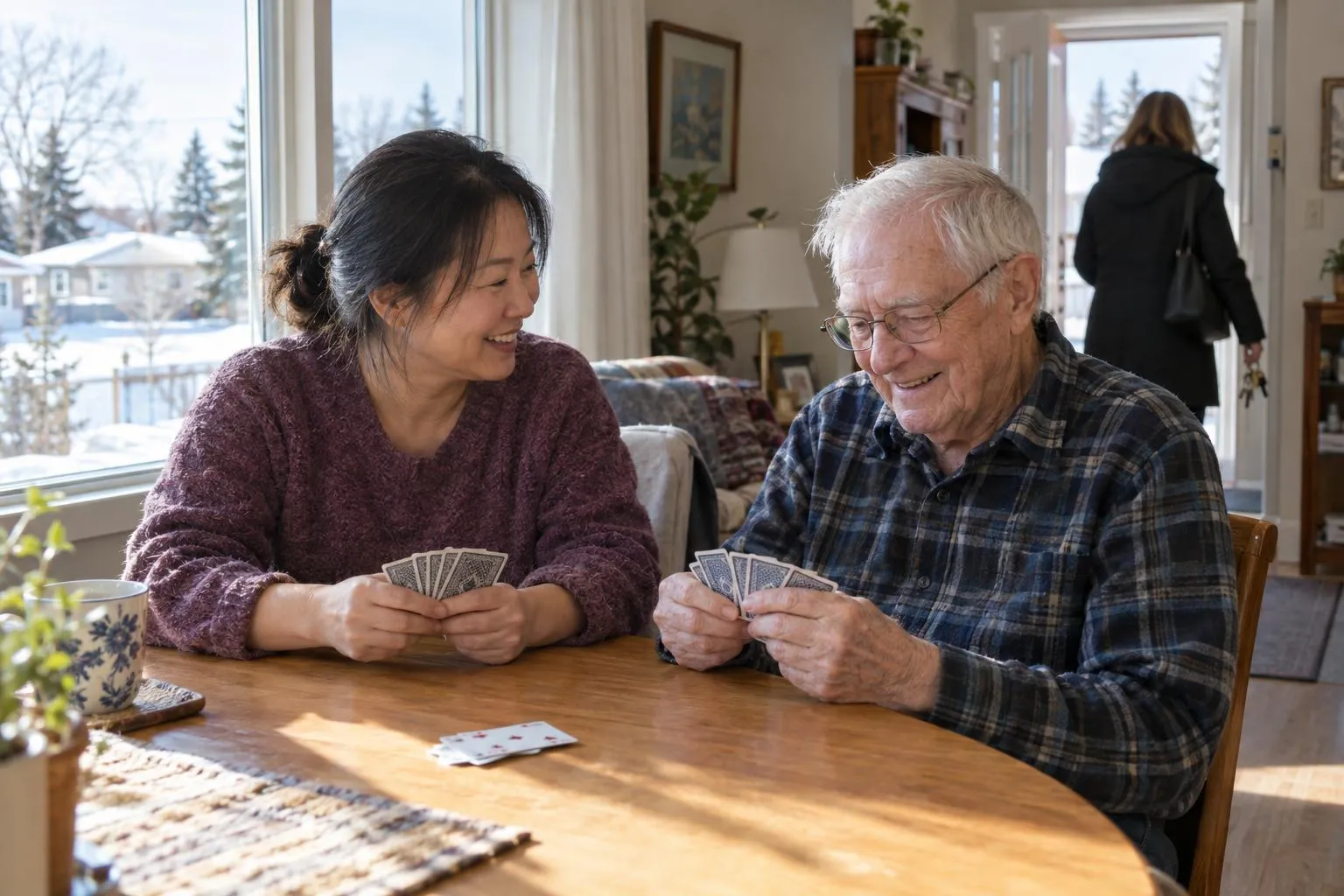
Respite Care
In-home and out-of-home relief for family caregivers — planned or at short notice.
Family caregivers need rest too. Respite care gives you reliable relief — at home or out in the community — whether it's a planned weekly break, holiday cover, or emergency support at short notice.
What's included
- In-home respite, from a few hours to a full day
- Overnight and emergency short-notice cover
- Out-of-home respite and day-program accompaniment
- Weekly recurring shifts with the same caregiver
Funding that may help

How we care
How we treat every client
Whatever the service, the person comes first — not the task list.
-
Dignity first
We knock before we enter, ask before we help, and explain what we’re doing. Privacy and modesty are protected during personal care.
-
Their choices, their routine
The care plan starts with the person — how they like their morning, what they eat, what matters to them — and we follow it.
-
Trauma-informed
Safety, trust, and respect come first. We move at the person’s pace and never force care.
-
Culturally safe
We honour each person’s culture, language, faith, and traditions, and work with families and Indigenous elders where they want us to.
-
Families stay in the loop
You’re part of the care team. We share updates, listen to what you notice, and adjust the plan with you.
-
Nurses behind the team
Registered nurses provide clinical oversight, so care workers have backup for medication, wound care, and changes in health.
How getting started works
-
Step 1: Call or send a request
Call +1 587 850 2645 or fill in the consultation form. Tell us who needs care and when.
-
Step 2: Free consultation
We learn about the person — health, routines, culture, goals — and answer your questions. No cost, no obligation.
-
Step 3: Care & funding plan
We put together a care plan and look at which funding programs may apply. If you want, we prepare and submit the applications.
-
Step 4: Care begins
Our care workers and registered nurses start supporting your loved one, and we adjust the plan as needs change.
Also from Keyons Harmony
Seniors Home Care
Professional, compassionate home care for seniors in Edmonton and surrounding communities — so your loved one can stay safely at home.
Not sure where to start?
Book a free consultation. We prepare and submit your funding applications and follow up with the program, so you don’t have to navigate it alone.